Saturday, November 7, 12 – 1pm

Marcel Duchamp. Fountain, 1950 (replica of 1917 original). 125th Anniversary Acquisition. Gift (by exchange) of Mrs. Herbert Cameron Morris, 1998. Philadelphia Museum of Art. © Artists Rights Society (ARS), New York / ADAGP, Paris / Association Marcel Duchamp
On-site $10; online $8; members and students free
About the Talk
Bradley Bailey | Marcel Duchamp Gets a Second Opinion: Williams Carlos Williams and Albert Barnes Debate Fountain
One challenging factor in tracing the influence of Marcel Duchamp’s controversial readymade Fountain is that its initial impact was largely limited to spring 1917, when the Society of Independent Artists refused to display the work in its inaugural exhibition despite its “no-jury” policy. The resulting schism within the society’s leadership became a public scandal. The object disappeared shortly thereafter, and Fountain likewise seemed to vanish from discussion altogether until the 1950s, when neo-Dada—followed by pop and other movements inspired by the readymade—put Duchamp and his avant-garde works back in the spotlight.
Therefore, it’s surprising to unearth a conversation about Fountain between two prominent figures in American modernism, the poet William Carlos Williams and the unconventional art collector and theorist Dr. Albert Barnes. Their discussion, taking place in letters exchanged between September and November 1920, adds some much-needed insight into how influential members of the art community perceived Fountain at the time. It also reinforces how brilliantly divisive Fountain was, figuratively drawing a line in the sand that even some of the most dedicated supporters of the avant-garde in America simply could not cross.
This talk, by art historian and Duchamp scholar Bradley Bailey, coincides with the PMA’s Duchamp retrospective, on view October 10, 2026, through January 31, 2027.
Speaker

Bradley Bailey
Bailey is an associate professor of art history at Saint Louis University. His research focuses on the life and work of Marcel Duchamp, particularly his career as a chess player and his famous innovation, the readymade. His publications include articles in The Burlington Magazine and the book Marcel Duchamp: The Art of Chess, co-authored with Francis Naumann and women’s grandmaster Jennifer Shahade.
Go Further

Daily Gallery Talks
Every day, our gallery specialists offer talks about the Barnes collection. Learn more about our history, founder, and collection.
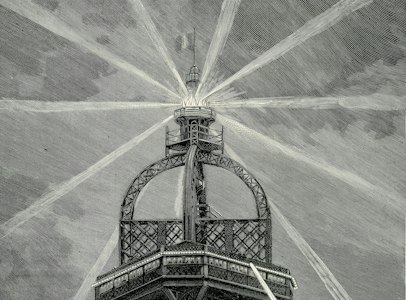
Lecture: Eiffel Tower Confidential
Learn the Eiffel Tower’s hidden history, including its connections to the French Empire and surveillance, with art historian Hollis Clayson.
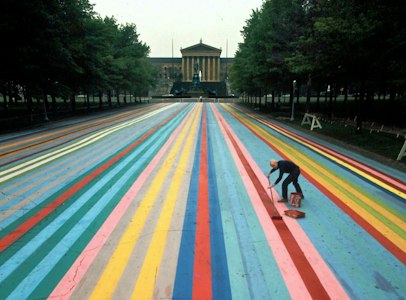
Book Talk: Philadelphia in Color: 1950–1990 with Hidden City Philadelphia
Join us for a conversation with the editors of Hidden City’s newest book, a dynamic photographic history of Philadelphia.