Take a Class
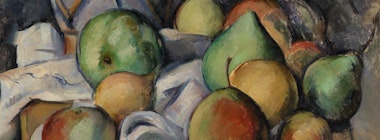
Study art history at the Barnes, a leader in art education since 1925. Come learn in our galleries, or take classes online using our immersive, state-of-the-art platform that brings you closer to the work than ever before.

Highlights Tour
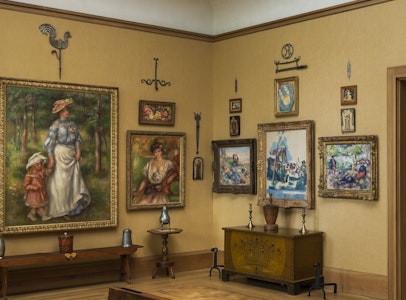
This one-hour tour is perfect for first-time visitors. Explore highlights of the collection and learn the history of the Barnes.
Private Collection Tour
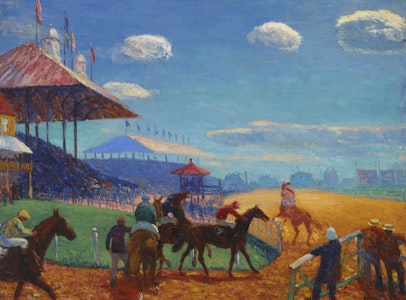
Explore highlights of the collection and learn the history of the Barnes. This tour is a private one-hour experience for you and up to nine guests.

Private Collection Tour: Favorite Artists
Choose your favorite artists in the collection for a private one-hour experience for up to ten guests.

Daily Gallery Talks
Every day, our gallery specialists offer talks about the Barnes collection. Learn more about our history, founder, and collection.

The Art of Light
Discover how light shapes meaning in this self-paced online course. Explore its role in composition, mood, and symbolism through guided close looking.
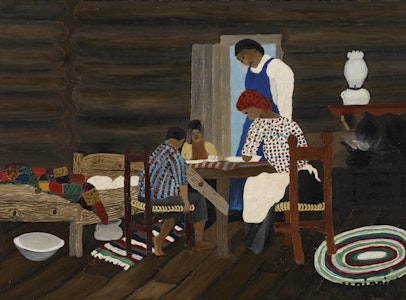


Members-Only Tour: Noguchi to Asawa: Designing Postwar America
Members are invited to an exclusive tour of our newest exhibition.

Exhibition Tour: Noguchi to Asawa: Designing Postwar America
Explore iconic works by Japanese American artists and designers working in the aftermath of World War II and incarceration.
Private Tour: Noguchi to Asawa: Designing Postwar America
This docent-led tour of Noguchi to Asawa: Designing Postwar America is a private one-hour experience for you and up to nine guests.

October Spotlight Tour: Firestorm! Outrage! Dr. Barnes’s Scandalous 1923 Philadelphia Exhibition
Revisit the critically panned show that pitted Dr. Barnes against Philadelphia’s elite, and see which works remain in the collection.


James McNeill Whistler: An American Painter Abroad
Explore Whistler’s international artistic networks and his role in shaping modern art across France, England, and America. Instructor: Suzanne Singletary

Mary Cassatt: Art, Identity, and Independence
Discover how Cassatt reshaped modern art through intimate scenes, innovative printmaking, and radical depictions of women. Instructor: Larissa Bailiff

Thomas Eakins: American Realist
Examine Eakins’s powerful realism through portraits, photography, and scenes of modern American life. Instructor: Lea Stephenson

Deep Dive: Radio Nurse by Isamu Noguchi
An in-depth discussion about the designer’s 1937 baby monitor. Free with admission; Roberts Gallery

Aaron Douglas from Harlem to Philly
Explore Douglas’s connection to the Barnes Foundation and his role in shaping the visual language of the Harlem Renaissance. Instructor: Alison Boyd

Barnes Create & Connect
Join us for an art-making experience designed for individuals living with Parkinson’s disease and their care partners.
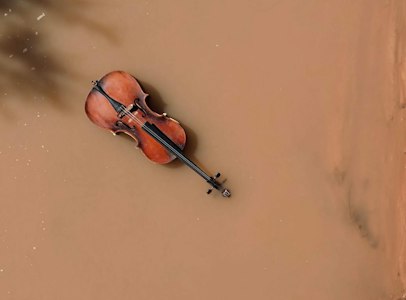
Barnes Cinema: Tiguex by Raven Chacon
Our film series continues with the 2026 documentary capturing the Pulitzer Prize–winning composer’s citywide symphony.
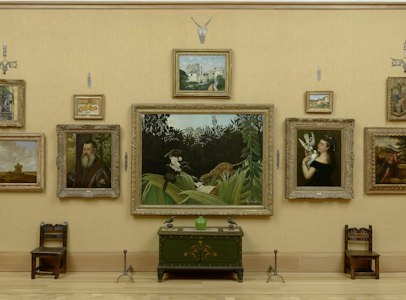
ARTZ @ The Museum
This program provides free access to the Barnes for people living with dementia and their care partners.
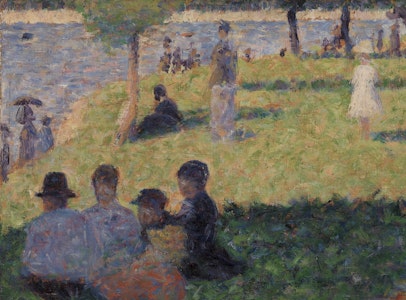
Color and the Painter’s Practice
Learn how artists use color through gallery discussions, practical exercises, and hands-on experimentation. Instructor: Michael Kowbuz
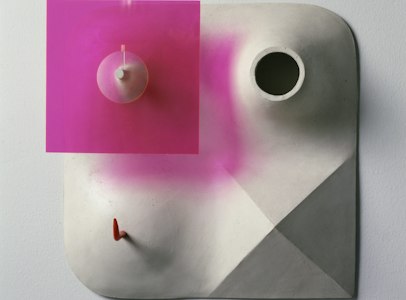
Members-Only Online Tour: Noguchi to Asawa: Designing Postwar America
Members are invited to an exclusive virtual tour of our newest exhibition.
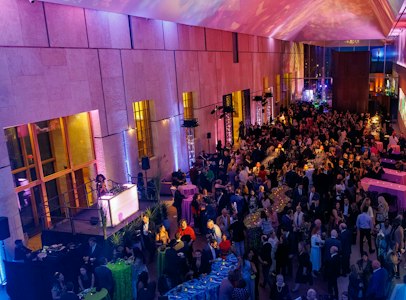
2026 Barnes Art Ball
Join us for our yearly celebration of art, community, and philanthropy.
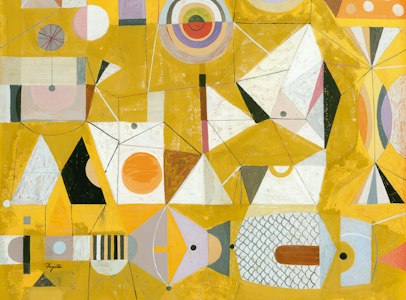
Exhibition Seminar: Noguchi to Asawa: Designing Postwar America
Explore the contributions of Japanese American artists and designers through guided discussion in the exhibition galleries. Instructor: Joseph Tokumasu Field

Close-Looking Immersion: Glackens’s Beach at Dieppe
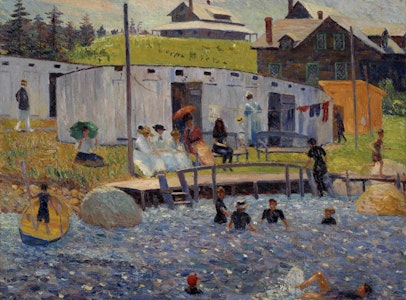
Spend an hour closely observing Glackens’s Beach at Dieppe through guided discussion and immersive digital viewing. Instructor: William Perthes
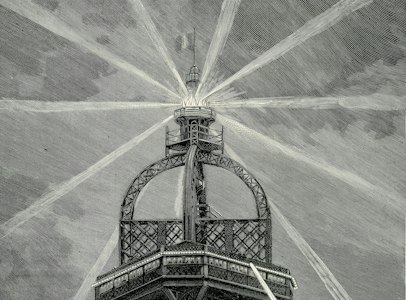
Lecture: Eiffel Tower Confidential
Learn the Eiffel Tower’s hidden history, including its connections to the French Empire and surveillance, with art historian Hollis Clayson.
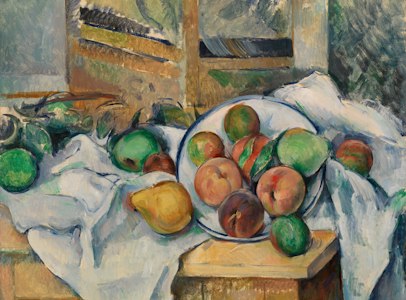
Online Member Orientation
New members are invited to join Barnes staff online for a chat about membership and benefits, followed by a docent-led virtual tour of the collection.
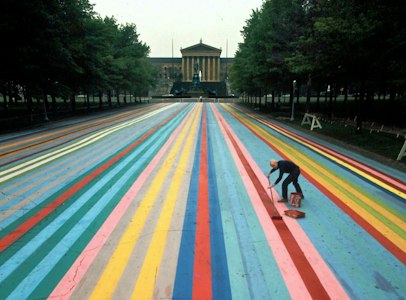
Book Talk: Philadelphia in Color: 1950–1990 with Hidden City Philadelphia
Join us for a conversation with the editors of Hidden City’s newest book, a dynamic photographic history of Philadelphia.

Members-Only Evening Tour: Noguchi to Asawa: Designing Postwar America
Explore works by two generations of artists affected by forced relocation and incarceration during World War II in this exclusive after-hours tour.

Members-Only Online Tour: Firestorm! Outrage! Dr. Barnes’s Scandalous 1923 Philadelphia Exhibition
Philadelphia critics once panned Dr. Barnes’s collection. Discover the press feud and learn which works remain in the collection today.

Barnes Create & Connect
Join us for an art-making experience designed for individuals living with Parkinson’s disease and their care partners.

PECO Free First Sunday Family Day: Generational Exchange
Enjoy hands-on art activities, free access to the collection, and special performances of Cambodian classical and folk dances.

November Spotlight Tour: Decoding the Barnes Ensembles
Learn about how and why Dr. Barnes arranged his collection in such a unique way in this illuminating collection tour.

What Is Art? Marcel Duchamp
Learn how Duchamp challenged conventional ideas of art and transformed modern artistic practice. Instructor: Matthew Palczynski

New Member Reception
Explore Noguchi to Asawa: Designing Postwar America and the collection at this special evening reception for new members.

The Ballets Russes: Art, Music, and Modern Performance
Explore the revolutionary collaborations of the Ballets Russes through music, dance, painting, and design. Instructor: Mimi Stillman

Graphic Design: An Unruly History
Trace the history of graphic design across eras and cultures in this creative and comprehensive survey. Instructor: Dan Shepelavy

Baroque Masters of Southern Europe: Caravaggio to Velázquez
Explore Baroque painting through the work of Caravaggio, Gentileschi, Poussin, and Velázquez. Instructor: Wayne Franits
Members-Only Online Tour: Noguchi to Asawa: Designing Postwar America
Members are invited to an exclusive virtual tour of our newest exhibition.

First Friday: Miki Yamanaka Trio & PAAFF
Tonight’s performance features jazz pianist Miki Yamanaka.

Lecture: Duchamp’s Fountain: A Second Opinion
Explore the controversial work and its impact on American modernism in 1920 letters between William Carlos Williams and Albert Barnes.

Barnes Cinema: Powwow People by Sky Hopinka
This screening of Hopinka’s vérité-style documentary is followed by a discussion and audience Q&A with the filmmaker.

The Femme Fatale in Art, Film, and Pop Culture, 1890 to Now
Study the mysterious femme fatale, an archetype for exploring themes of gender, power, sexuality, and morality across art forms. Instructor: Martha Lucy

On Practice: Pew Fellows in Conversation
Join us for an intimate look at how the artists shaping Philadelphia’s cultural scene experiment, discover, and create.

Member Orientation
New members are invited to join us to learn more about the perks of membership at the Barnes.

Close-Looking Immersion: Matisse’s Still Life with Gourds
Spend an hour closely observing Matisse’s Still Life with Gourds through guided discussion and immersive digital viewing. Instructor: Kaelin Jewell

Deep Dive: “Thomas Paine on the value of freedom” Ad by S. Neil Fujita
An in-depth discussion about Fujita’s design for the “Great Ideas of Western Man” advertising campaign. Free with admission; Roberts Gallery

Young Professionals Night: Spark
After-hours art, style, and music await Philadelphia’s young leaders and Barnes Contemporaries members.

Members-Only Online Evening Tour: Decoding the Barnes Ensembles
Learn more about how Dr. Barnes designed his galleries and discover new connections across the collection.
Exhibition Seminar: Noguchi to Asawa: Designing Postwar America
Explore the contributions of Japanese American artists and designers through guided discussion in the exhibition galleries. Instructor: Joseph Tokumasu Field

The Foundations of Drawing in the Barnes Collection
Learn the fundamentals of drawing through gallery discussions, demonstrations, and hands-on practice. Instructor: Michael Kowbuz
Members-Only Online Tour: Noguchi to Asawa: Designing Postwar America
Members are invited to an exclusive virtual tour of our newest exhibition.
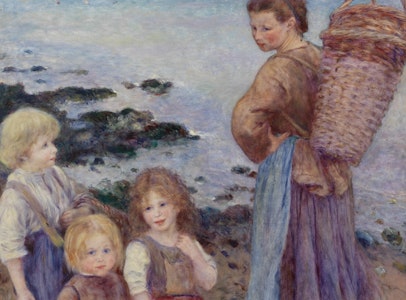
Barnes Curious? Let’s Talk about Renoir
Join us in the collection galleries for a short close-looking and discussion session on Renoir. Instructor: Naina Saligram

In Conversation: Brandon Shimoda and Rea Tajiri
Poet Brandon Shimoda and filmmaker Rea Tajiri reflect on Japanese American incarceration, memory, and creative practice.

December Spotlight Tour: Decoding the Barnes Ensembles
Learn about how and why Dr. Barnes arranged his collection in such a unique way in this illuminating collection tour.

First Friday: Sky Hopinka, Raven Chacon & Andrew Yong Hoon Lee
The trio of interdisciplinary artists performs an immersive evening of improvised guitar music.

PECO Free First Sunday Family Day: Universal Expression
Enjoy free art and activities, traditional Japanese music performances, and our second annual Student Art Show.
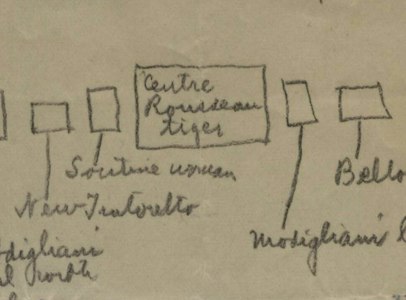
Inside the Barnes Ensembles: Room 14
Delve into the history of Room 14 through archival materials, close looking, and discussion of the Barnes ensembles. Instructors: Kaelin Jewell and Amanda McKnight

Deep Dive: Ogawa II by Kay Sekimachi
An in-depth discussion about Sekimachi’s intricate monofilament hanging. Free with admission; Roberts Gallery

Barnes Cinema: Camp and the Japanese American Artistic Psyche in Film
Short films explore the impact of WWII incarceration on Japanese American artists and filmmakers across generations.

Art, Ritual, and Death in the 19th Century
Study Victorian mourning culture through art, photography, fashion, and memorial objects. Instructor: Caterina Y. Pierre
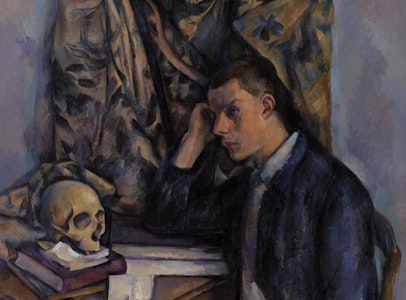
Close-Looking Immersion: Cézanne’s Young Man and Skull
Take a deep dive into Cézanne’s painting using the Barnes Method. Instructor: William Perthes

Being Present with Art: Connecting to the Light Within
Reflect through mindfulness, close looking, and guided discussion in this winter-focused art and meditation workshop. Instructor: Roksana Filipowska

Members-Only Online Tour: Decoding the Barnes Ensembles
This online docent-led tour looks how and why Dr. Barnes created his signature gallery arrangements.

The Art of Display: Exploring the Barnes Ensembles
Uncover connections hidden in plain sight by studying Dr. Barnes’s enigmatic displays of art at your own pace.

The Art of Color
Explore how artists use color to shape meaning, emotion, and structure in this self-paced class.
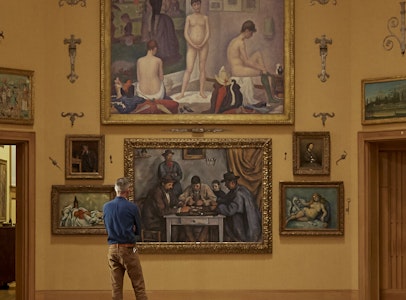
The Art of Looking: An Introduction to the Barnes Method
This interactive online course will teach you the basics of the Barnes Method of studying art, at your own pace.
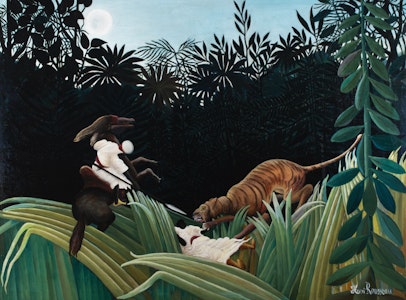
In Focus: Henri Rousseau
Study Rousseau’s enigmatic paintings using our state-of-the-art interactive platform. Zoom in on his strange imagery, and discover why Rousseau continues to captivate.
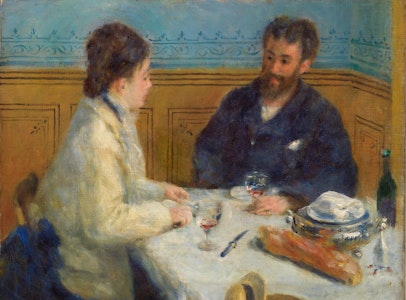
In Focus: Pierre-Auguste Renoir
An introduction to Renoir’s life and work, with interactive videos that let you explore his canvases up close. See why Renoir is more than just rosy cheeks and cute babies.
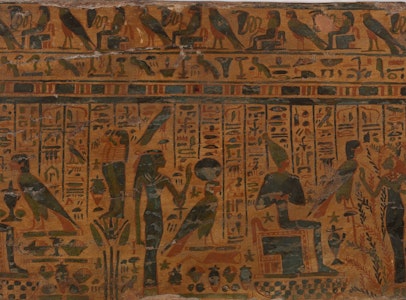
In Focus: The Ancient World
A fresh look at ancient art. Learn about works from ancient Egypt, Greece, and Rome.

Saint Joseph’s University Museum Education Graduate Program
A collaboration with SJU, this new program prepares future museum educators for roles in public and private institutions.
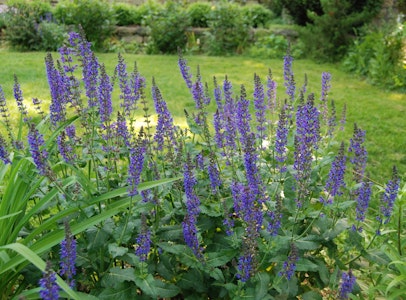
Horticulture Certificate Program
Our two-year certificate program covers horticultural science, methods, and design.

The Barnes–de Mazia Certificate Program
This special track offers an immersion in the Barnes Method and an introduction to other interpretive approaches.

Art, Well-Being, and Medicine
Our group workshops help medical students and healthcare professionals develop a more empathetic, humanistic approach to patient care.
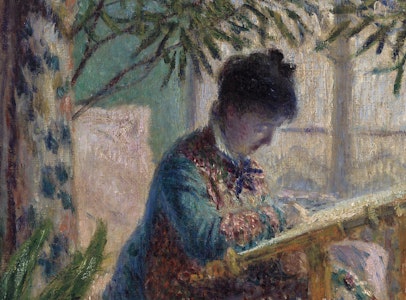
Gift a Barnes Class
Give the gift of lifelong learning with art history classes taught by Barnes experts.